
Smart Buildings Blog
The latest on all things commercial building automation, energy management, and IoT
How Smart Building Technology Helps Small Box Retailers and Quick Serve Restaurants Tackle Energy Challenges

The Big Challenge for Smaller Buildings
In the fast-paced world of small box retail and quick serve restaurants (QSRs), managing costs is a constant challenge. With slim profit margins and high operational demands, these businesses must carefully control expenses to stay competitive. One of the most significant—and often overlooked—cost drivers is energy consumption.
Heating, cooling, lighting, refrigeration, and kitchen equipment can create an unpredictable and expensive energy footprint. For businesses operating multiple locations, the challenge only compounds. Fortunately, Smart Building Technology offers a scalable, cost-effective solution to help retailers and QSRs cut waste, optimize operations, and gain better control over their energy usage.
Common Energy Challenges for Retail and QSR Businesses
1. High and Unpredictable Energy Costs
Small box retailers and QSRs operate in dynamic environments where energy use fluctuates throughout the day. HVAC systems work overtime to maintain comfortable conditions despite doors opening frequently. Kitchen appliances, refrigeration units, and lighting systems all contribute to unpredictable energy bills.
2. Equipment Inefficiencies and Downtime
A failing refrigeration unit or a malfunctioning HVAC system can lead to lost inventory, uncomfortable customer experiences, or even temporary closures. Many businesses lack the resources to monitor equipment health proactively, leading to costly emergency repairs.
3. Lack of Visibility Across Multiple Locations
For businesses with multiple locations, managing energy use efficiently across stores can be difficult. Without centralized monitoring, decision-makers rely on utility bills to track expenses—often reacting to problems instead of preventing them.
4. Sustainability and Compliance Pressures
Consumers and regulators are increasingly focused on sustainability. Businesses must find ways to reduce their carbon footprint and meet energy efficiency regulations without compromising service quality.
How Smart Building Technology Addresses These Challenges
Smart Building Technology provides real-time insights, automation, and control over energy-consuming systems, helping businesses optimize their operations. Here’s how:
1. Energy Management Systems (EMS) for Cost Control
An EMS allows businesses to monitor energy use in real-time, identify inefficiencies, and automate systems to reduce consumption during off-peak hours. With intelligent scheduling, HVAC and lighting can adjust dynamically based on occupancy, store hours, or weather conditions.
2. Predictive Maintenance to Prevent Equipment Failures
IoT-enabled sensors can monitor refrigeration units, HVAC systems, and other critical equipment, detecting anomalies before they become major issues. Predictive maintenance minimizes costly breakdowns and extends the life of essential equipment.
3. Centralized Control for Multi-Location Businesses
Cloud-based building management systems (BMS) provide a single platform to oversee multiple locations. Facility managers can set energy-saving policies, track usage trends, and respond to maintenance alerts remotely, ensuring consistency across all stores.
4. Sustainability and Compliance Made Easy
Smart systems help businesses reduce carbon emissions by optimizing energy use and integrating renewable energy sources. Automated reporting simplifies compliance with energy efficiency mandates and sustainability initiatives.
A Smarter Future for Retailers and QSRs
In a competitive landscape where every dollar counts, Smart Building Technology is no longer a luxury—it’s a necessity. By leveraging automation, real-time data, and remote management capabilities, small box retailers and QSRs can reduce costs, improve reliability, and meet sustainability goals.
At FSG Smart Buildings, we specialize in delivering tailored energy management solutions to help businesses operate smarter. Contact us today to learn how our technology can help you take control of your energy future.
More from the Blog
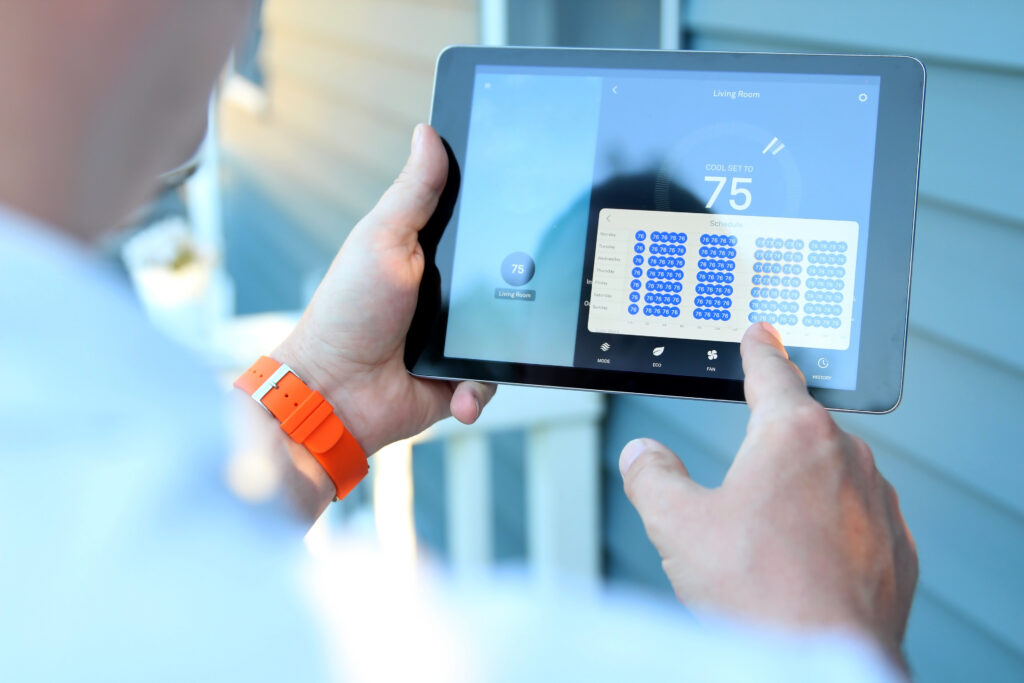
The Benefits of Native Integration and Thermostat Control
The Benefits of Native Integration and Thermostat Control
HVAC native BAS (Building Automation System) integration control refers to the seamless integration of HVAC (Heating, Ventilation, and Air Conditioning)…

Implementing a Successful Energy Savings Program
Implementing a Successful Energy Savings Program
Commercial buildings significantly contribute to energy waste due to size, occupancy patterns, and energy-intensive operations. The amount of energy wasted…

Cutting Costs and Boosting Efficiency: How Remote Monitoring Reduces Truck Rolls and Maintenance Expenses
Cutting Costs and Boosting Efficiency: How Remote Monitoring Reduces Truck Rolls and Maintenance Expenses
For businesses that rely on facility maintenance and equipment servicing, every truck roll comes with a price tag. Whether it’s…