
Smart Buildings Blog
The latest on all things commercial building automation, energy management, and IoT
Powering Profits: How Smart Building Technology Cuts Energy Costs for C-Stores and Gas Stations
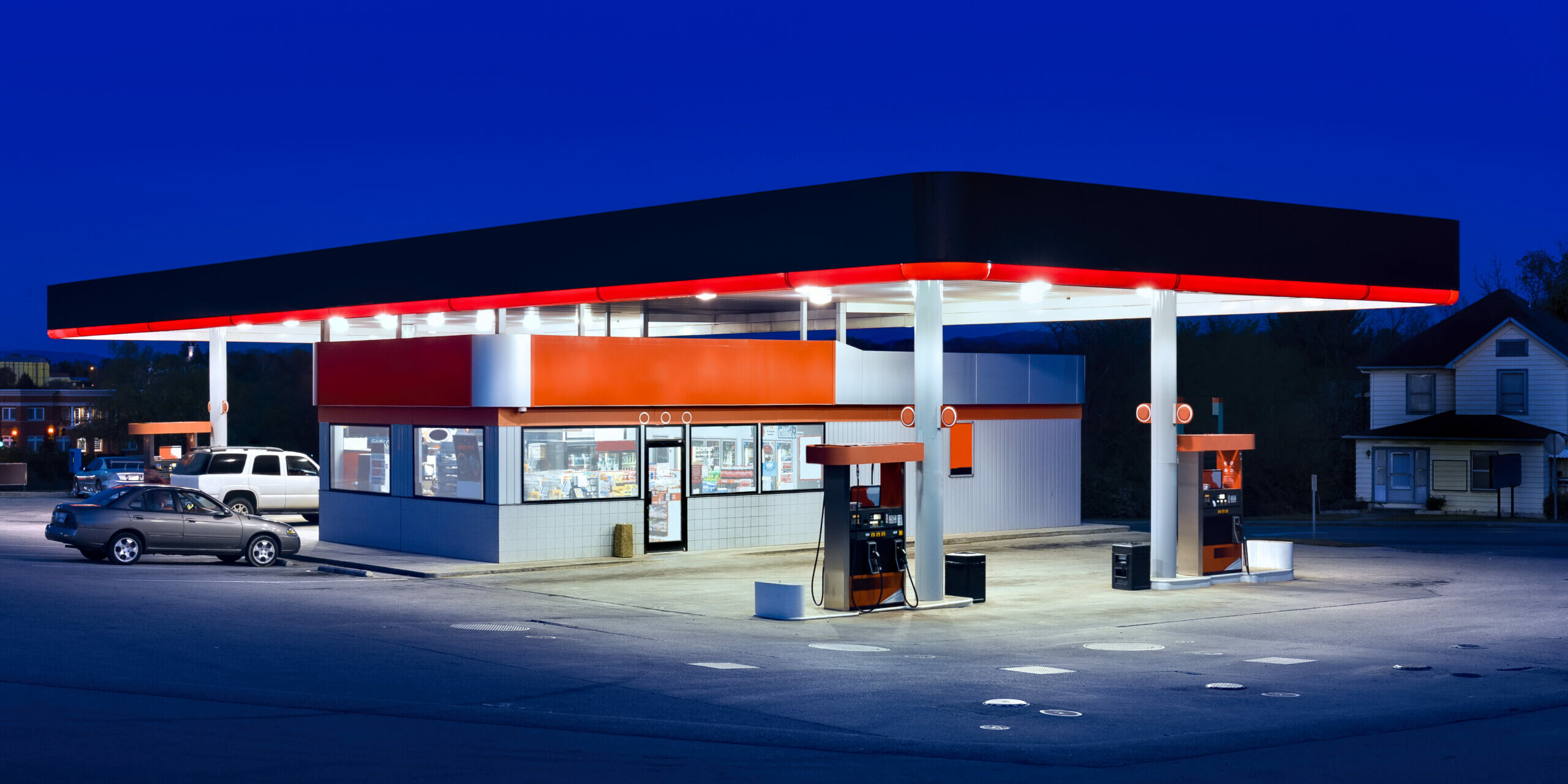
Critical Businesses With Unique Challenges
Convenience stores (c-stores) and gas stations are essential businesses that operate around the clock, serving customers who need fuel, snacks, and essentials at any hour. However, running a 24/7 operation comes with a unique set of energy challenges. With high refrigeration demands, constant lighting requirements, and HVAC systems that battle extreme temperatures from frequent door openings, energy costs can quickly add up.
For c-store and gas station owners, reducing waste and optimizing energy use isn’t just about cutting costs—it’s about staying competitive. Smart Building Technology is revolutionizing the way these businesses manage their energy, providing real-time insights, automation, and predictive maintenance that drive efficiency and savings.
Key Energy Challenges for C-Stores and Gas Stations
1. 24/7 Energy Consumption
Unlike many retail businesses that close overnight, c-stores and gas stations require continuous operation. Fuel pumps, signage, refrigeration, and HVAC systems all run nonstop, leading to high energy consumption and limited opportunities for savings.
2. Refrigeration and Food Service Demands
With grab-and-go food options, refrigerated beverages, and frozen goods, refrigeration is a major energy consumer. Any failure in refrigeration can lead to spoiled inventory and lost revenue. Older refrigeration systems also tend to run inefficiently, using excessive energy to maintain proper temperatures.
3. Outdoor Lighting and Fuel Pump Energy Use
Gas stations require bright, high-output lighting for safety, visibility, and compliance with regulations. Canopy lights, signage, and perimeter security lighting contribute to energy expenses, often remaining on even when not needed.
4. HVAC Struggles with Frequent Door Openings
With doors opening constantly for customers, HVAC systems work overtime to maintain comfortable indoor temperatures. This results in energy waste, increased wear and tear, and higher maintenance costs.
5. Lack of Centralized Control for Multi-Location Businesses
For operators managing multiple c-store locations, tracking energy consumption and maintenance needs across stores can be a logistical challenge. Without centralized visibility, inefficiencies often go unnoticed, leading to wasted energy and higher operational costs.
How Smart Building Technology Solves These Challenges
1. Energy Management Systems for Smarter Consumption
A smart Energy Management System (EMS) provides real-time visibility into energy use, allowing operators to track consumption patterns and adjust settings for maximum efficiency. Automated scheduling ensures that non-essential systems, such as lighting and HVAC, operate only when needed, reducing unnecessary energy waste.
2. Smart Refrigeration Monitoring to Prevent Losses
IoT-enabled refrigeration monitoring sensors continuously track temperatures and detect anomalies before they become costly problems. Predictive maintenance helps prevent failures, while automated alerts notify managers of any issues in real time, protecting perishable inventory.
3. Intelligent Lighting Controls for Cost Savings
Smart lighting automation adjusts brightness levels based on occupancy, daylight availability, and business hours. Exterior canopy lights can be dimmed or turned off during low-traffic periods, reducing unnecessary energy usage without compromising security.
4. HVAC Optimization for Comfort and Efficiency
Smart thermostats and HVAC automation adjust temperatures based on real-time conditions, reducing strain on equipment during peak hours and minimizing energy waste. By integrating occupancy sensors and weather data, businesses can improve climate control without overworking their systems.
5. Cloud-Based Multi-Site Energy Management
For operators managing multiple locations, a cloud-based Building Management System (BMS) provides centralized control. Energy usage, equipment performance, and maintenance alerts can be accessed from anywhere, allowing managers to standardize efficiency strategies across all stores.
A Smarter Future for C-Stores and Gas Stations
With high energy demands and tight profit margins, c-store and gas station operators must take a proactive approach to energy management. Smart Building Technology offers a powerful solution, providing automation, real-time monitoring, and predictive insights that drive down costs while improving reliability and sustainability.
At FSG Smart Buildings, we help c-stores and gas stations implement tailored energy solutions that maximize efficiency and minimize waste. Contact us today to learn how we can help you take control of your energy future.
More from the Blog
How Smart Building Technology Helps Small Box Retailers and Quick Serve Restaurants Tackle Energy Challenges
How Smart Building Technology Helps Small Box Retailers and Quick Serve Restaurants Tackle Energy Challenges
The Big Challenge for Smaller Buildings In the fast-paced world of small box retail and quick serve restaurants (QSRs), managing…

The Importance of Implementing Water Efficiency Practices
The Importance of Implementing Water Efficiency Practices
The amount of water wasted annually in a typical commercial building can vary based on building size, water efficiency measures…

Cutting Costs and Boosting Efficiency: How Remote Monitoring Reduces Truck Rolls and Maintenance Expenses
Cutting Costs and Boosting Efficiency: How Remote Monitoring Reduces Truck Rolls and Maintenance Expenses
For businesses that rely on facility maintenance and equipment servicing, every truck roll comes with a price tag. Whether it’s…